


Coyyn rare coins are getting a lot of attention from collectors and investors around the world, and it is easy to see why. These are not just old pieces of metal sitting in a drawer. Each coin carries a real story, a unique design, and a level of scarcity that makes it worth far more than its face value. Whether you are someone who loves history, or you are looking for a smart way to grow your money, understanding rare coins gives you a big advantage. This guide breaks everything down in simple, clear language so you can learn what makes a coin truly rare and how you can start your own collection the right way.
What Are Coyyn Rare Coins?
Coyyn rare coins are collectible coins valued for their scarcity, historical importance, and unique features that set them apart from regular coins you use every day. These coins may include limited-edition releases, coins with minting errors, early currency issues, commemorative editions, or coins made from precious metals like gold and silver.
The term “Coyyn” is connected to a platform that helps collectors and beginners understand coin values, rarity, and market trends. It covers rare coins as both historical objects and smart financial assets, making it a useful starting point for anyone curious about the hobby.
Why Are Some Coins Considered Rare?
Not every old coin is a rare coin. A coin becomes rare when only a small number of them were produced, when very few have survived in good condition, or when it has a special feature like a minting error or a design tied to an important historical event. Age alone does not determine value.
For example, a coin from ancient Rome might be common because millions were made, while a 20th-century coin with a printing mistake could be extremely rare because only a handful exist. Collectors look at the date, the mint mark, how many were made, and how many still exist in top condition before deciding if a coin is truly special.
What Factors Determine the Value of a Rare Coin?
Several key factors decide how much a rare coin is worth. The most important ones are rarity, condition, historical significance, and demand from other collectors. Coins tied to major historical events or made from precious metals like gold and silver tend to carry higher prices.
The condition of a coin, called its “grade,” plays a huge role in value. Professionals use a 70-point scale called the Sheldon Scale to grade coins, where 70 is a perfect coin and 1 is barely recognizable. A coin graded at 65 can be worth several times more than the same coin graded at 55. This is why proper storage and careful handling matter so much to serious collectors.
How Coin Grading Works and Why It Matters
Coin grading is the process of evaluating a coin’s condition and assigning it a number from 1 to 70. The higher the number, the better the coin looks and the more it is worth. Two of the most trusted grading companies in the world are PCGS (Professional Coin Grading Service) and NGC (Numismatic Guaranty Company). Both companies use the same 70-point system and seal each graded coin in a protective holder called a “slab.”
Getting a coin graded by PCGS or NGC is a smart move for any collector who owns a coin that might be worth more than $100 to $200. Once a coin carries a certified grade, buyers and sellers can trust its authenticity and condition without any guesswork. This makes graded coins easier to sell and often worth 50% to 300% more than ungraded ones of the same type.
The Most Valuable Types of Coins to Look For
Some categories of rare coins attract much higher prices than others. Ancient coins from Greece or Rome, early American coins, gold and silver commemorative coins, and coins with known minting errors are among the most sought-after types in the collecting world.
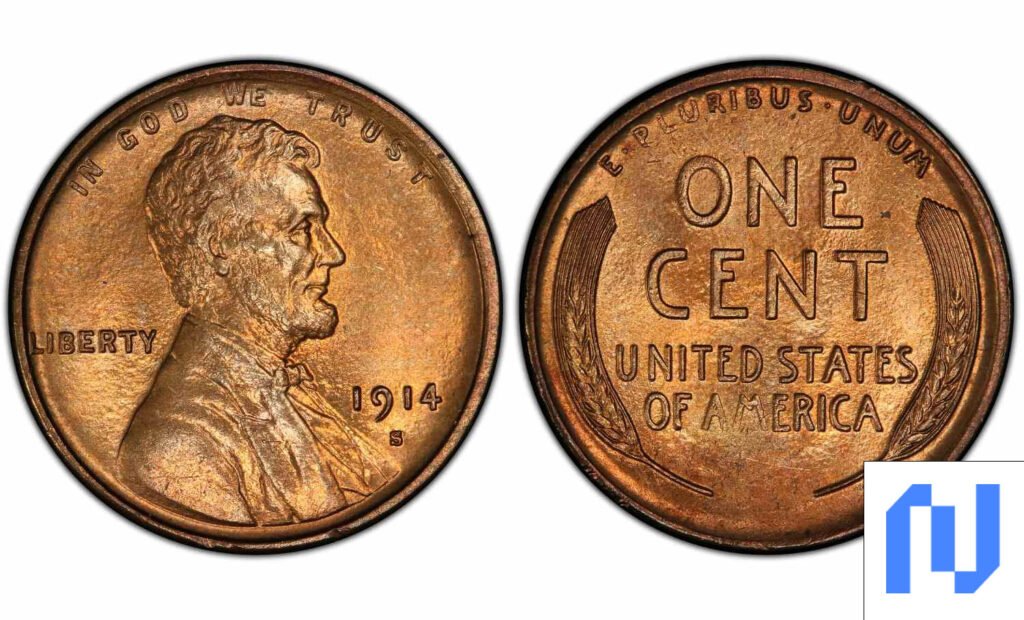
For example, coins like the 1794 Flowing Hair Silver Dollar and the 1787 Brasher Doubloon are considered national treasures in American numismatics. Error coins, like the famous 1969-S Doubled Die Lincoln penny, have also seen strong price growth in recent years. Knowing which categories hold strong value helps you focus your search and avoid spending money on coins that look impressive but carry little collector interest.
How to Start Your Own Coin Collection
Starting a coin collection does not require a big budget. Many experienced collectors began with inexpensive coins and built their knowledge slowly before spending large amounts of money. The best way to start is by picking a focus, such as U.S. coins from a specific era, world coins, or coins made from silver or gold.
Once you decide your focus, read as much as you can about what makes coins in that category valuable. Use trusted online resources, visit local coin shows, and connect with other collectors. Buy from reputable dealers and always check if a coin has been professionally graded before paying a premium price. Patience and education are the two most important tools for any new collector.
How to Store and Protect Your Coins
Proper storage keeps your coins in the best possible condition, which protects their value over time. Never clean a coin with water, soap, or any chemical. Cleaning actually removes the natural surface layer called “toning” and can lower a coin’s grade significantly, which directly reduces its market value.
Store your coins in acid-free holders, plastic flips, or sealed coin capsules. Keep them away from humidity, direct sunlight, and extreme temperatures. If you own high-value coins, consider keeping them in a safe or bank deposit box. Taking good care of your coins from day one saves you from costly mistakes later.
Rare Coins as a Smart Investment
The rare coin market has shown steady growth over recent years, with an expected annual growth rate of around 5% through 2035. High-grade coins and well-known rarities continue to set auction records, with some gold coins selling for millions of dollars at major sales.
Rare coins offer something most other investments do not: they hold both emotional and financial value at the same time. They are not tied to the stock market in the same way paper assets are, which makes them an attractive option for people who want to protect their money against inflation. However, like any investment, it is important to do your research and buy carefully rather than rushing into purchases based on hype.
Conclusion
Coyyn rare coins connect history, art, and smart investing in a way that few other hobbies can match. Whether you are drawn to the stories behind ancient coins or the financial potential of high-grade collectibles, this world has something real to offer. Start small, learn the basics of grading and rarity, use trusted resources, and take care of every coin you own. The more you learn, the better your decisions become.
Frequently Asked Questions (FAQs)
Q1. What makes a coin rare?
A coin becomes rare when very few were made, very few have survived in good condition, or it has a special feature like a minting error or historical connection that collectors want.
Q2. How do I know if my old coin is worth money?
Check the date, mint mark, and condition of the coin. Compare it to sold listings on trusted auction sites or take it to a professional coin dealer or grading service like PCGS or NGC.
Q3. Is coin collecting a good investment?
Yes, when done carefully. Rare coins in high grades have historically held and grown in value. However, you should always research before buying and focus on quality over quantity.
Q4. Should I clean my old coins before selling them?
No. Cleaning a coin almost always lowers its value. Professional collectors and graders can tell when a coin has been cleaned, and it reduces the grade and selling price.
Q5. Where is the best place to buy rare coins?
Buy from reputable coin dealers, certified auction houses, or trusted platforms that offer graded and authenticated coins. Always ask for documentation and avoid deals that seem too good to be true.